 We often seek love too hastily: we want to meet that special someone, be close to them, and both give and receive affection. There is nothing wrong with the desire to love itself. But trouble arises when this pursuit turns into a race, as if we must find our soulmate before some invisible deadline passes. It feels as though life follows a predetermined schedule, and we are running late for a crucial appointment.
True love, by contrast, arrives unexpectedly. It knocks on the door when we least expect it, perhaps when we have stopped looking, having immersed ourselves in other concerns or daily routines. That is when it becomes clear: the essential thing was not to "find" love, but to remain open and ready to recognize it.
With death, it is different: we do not seek it, yet we know it will inevitably come. We do not know when, where, or how. This uncertainty is one of existence’s deepest mysteries.
We make plans and think about tomorrow, the coming week, or the years ahead, as if time were entirely ours. Perhaps therein lies the greatest trap: we mistake the future for a promise, when in reality, it is merely a possibility.
Perhaps we should view life differently, not through the lens of fear, but with greater awareness. We should remember that there are words that shouldn’t be put off, embraces that shouldn’t be taken for granted, and people to whom we should express our love more often.
Life is full of surprises: today we map out the future, yet tomorrow everything can change because of a single phone call, a piece of news, or someone's absence. Suddenly, we realize that what once seemed vital has lost its significance, while what we took for granted was never guaranteed at all. Perhaps therein lies the common thread between love and death: they remind us that our control over the world is far more limited than we would like to believe. Love arrives to imbue part of our journey with meaning; death comes to bring that journey to a close.
And in between lies life – the time allotted to us. Yet, all too often, we fail to cherish it until a fleeting moment reminds us of its finitude.
Love will come when it comes. So, too, will death. And perhaps this very day is the only thing that truly belongs to us.
We ought to stop chasing what has yet to arrive and learn to notice what is already here: the person beside us; the hand we can still hold; the conversation we can still have; those fleeting moments that seem insignificant but may, in time, prove to be the most precious of all.
There is no need to go in search of love or death; they will find us on their own. The only question is how we choose to spend the time we have before that happens.
We often seek love too hastily: we want to meet that special someone, be close to them, and both give and receive affection. There is nothing wrong with the desire to love itself. But trouble arises when this pursuit turns into a race, as if we must find our soulmate before some invisible deadline passes. It feels as though life follows a predetermined schedule, and we are running late for a crucial appointment.
True love, by contrast, arrives unexpectedly. It knocks on the door when we least expect it, perhaps when we have stopped looking, having immersed ourselves in other concerns or daily routines. That is when it becomes clear: the essential thing was not to "find" love, but to remain open and ready to recognize it.
With death, it is different: we do not seek it, yet we know it will inevitably come. We do not know when, where, or how. This uncertainty is one of existence’s deepest mysteries.
We make plans and think about tomorrow, the coming week, or the years ahead, as if time were entirely ours. Perhaps therein lies the greatest trap: we mistake the future for a promise, when in reality, it is merely a possibility.
Perhaps we should view life differently, not through the lens of fear, but with greater awareness. We should remember that there are words that shouldn’t be put off, embraces that shouldn’t be taken for granted, and people to whom we should express our love more often.
Life is full of surprises: today we map out the future, yet tomorrow everything can change because of a single phone call, a piece of news, or someone's absence. Suddenly, we realize that what once seemed vital has lost its significance, while what we took for granted was never guaranteed at all. Perhaps therein lies the common thread between love and death: they remind us that our control over the world is far more limited than we would like to believe. Love arrives to imbue part of our journey with meaning; death comes to bring that journey to a close.
And in between lies life – the time allotted to us. Yet, all too often, we fail to cherish it until a fleeting moment reminds us of its finitude.
Love will come when it comes. So, too, will death. And perhaps this very day is the only thing that truly belongs to us.
We ought to stop chasing what has yet to arrive and learn to notice what is already here: the person beside us; the hand we can still hold; the conversation we can still have; those fleeting moments that seem insignificant but may, in time, prove to be the most precious of all.
There is no need to go in search of love or death; they will find us on their own. The only question is how we choose to spend the time we have before that happens.
 Roser Coll, Chiromassage Therapist at Serenity
Address:
Andorra la Vella
, Baixada del Molí 7-9-11, bloc A1, Planta 3
Phone: +376 627 740
Instagram: @serenity.relaxing
www.serenityrelaxing.com
The post
Love and death: they will both find us when their time comes
first appeared on
All PYRENEES
.
Roser Coll, Chiromassage Therapist at Serenity
Address:
Andorra la Vella
, Baixada del Molí 7-9-11, bloc A1, Planta 3
Phone: +376 627 740
Instagram: @serenity.relaxing
www.serenityrelaxing.com
The post
Love and death: they will both find us when their time comes
first appeared on
All PYRENEES
. |
 French Co-Prince of Andorra and President of France Emmanuel Macron once again described Europe as Andorra's "natural horizon" in his message marking Meritxell Day, calling for a balance between European integration and national sovereignty.
The French Co-Prince supports European integration and presents the Association Agreement as an opportunity to secure the country's future. However, his message also raises a particularly sensitive question: to what extent is the protection of Andorra's sovereignty compatible with the public support for the agreement expressed by the French Co-Prince before citizens have had the opportunity to give their opinion in a referendum?
Macron states: "Europe continues to be our natural horizon, this space of proximity within which we can build our projects and shape the future of our young people." This
statement
continues the line taken by the French president during his
visit to Andorra in April
. At the time, his message in support of the agreement was even more explicit: according to Macron, rejecting the treaty could mean that the European door "may never open again".
Ahead of the referendum, the question is therefore not only about the content of the agreement, but also about the nature of the political discourse surrounding it.
At the same time, a significant part of Macron's message focuses on the broader concept of European solidarity. As an example, he refers to the wildfires and climate-related disasters that affected Europe in the summer of 2026. He says that, faced with such emergencies, European countries were able to mobilise collectively.
For Macron, this demonstrates that Europe is not only about political institutions and economic agreements, but also about the ability to act together when an individual country faces a threat. He identifies several concrete mechanisms of such solidarity: the rapid mobilisation of human and material resources, including the Red Cross; access to solidarity funding; and joint efforts to improve prevention and preparedness for future crises.
Macron presents the Association Agreement as an opportunity to integrate into the European space while preserving the specific features of the Andorran model. Immigration is a particularly important example.
According to Macron, Andorran citizens will be able to live, work, study or retire without restrictions in EU member states, while the Principality will retain its system of quotas and controls, including for EU citizens.
"This is a balance that reconciles economic integration and national sovereignty," the French president stresses. However, the very concept of national sovereignty is gradually changing.
In the 21st century, sovereignty is no longer limited to a country's ability to control its borders, population and economic flows. Data, computing capacity, digital infrastructure, artificial intelligence and a state's ability to independently control critical technologies are becoming increasingly important.
This is where Andorra faces its next strategic question: to what extent can the country preserve technological autonomy in an era of rapid digitalisation?
Against this background, artificial intelligence can be viewed not only as a tool for digital transformation, but also as an element of national strategy.
The issue is not simply the adoption of ready-made AI services. The key questions are where the data is located, who controls the infrastructure, where computing takes place, and who determines the rules governing the use of artificial intelligence. For a small country, this has particular significance.
If the key data of citizens, companies and public institutions is stored exclusively on cloud services operated by major foreign technology corporations, while critical AI systems operate outside the country, another form of dependency emerges – no longer related to migration or trade, but to technology.
The concept of sovereign AI therefore becomes a natural continuation of the broader debate on national sovereignty.
It is worth noting that national and state holidays in many countries traditionally provide an opportunity for political leaders to address current political and social issues through the language of shared values and national unity.
This approach is not unique to France. In the United States, for example, presidents use Independence Day addresses to speak about national unity, democracy and the country's future. In the United Kingdom, the monarch's Christmas messages regularly address social crises, solidarity and national unity. In Spain, the King's Christmas addresses have also provided a platform for addressing some of the country's most sensitive political issues, from territorial integrity to the constitutional order.
A holiday address can therefore allow a political leader to frame specific political decisions within a broader system of shared values, giving them additional symbolic weight.The post
Macron's Meritxell Day Message Puts the EU Association Agreement Back at the Centre of Political Debate in Andorra
first appeared on
All PYRENEES
.
French Co-Prince of Andorra and President of France Emmanuel Macron once again described Europe as Andorra's "natural horizon" in his message marking Meritxell Day, calling for a balance between European integration and national sovereignty.
The French Co-Prince supports European integration and presents the Association Agreement as an opportunity to secure the country's future. However, his message also raises a particularly sensitive question: to what extent is the protection of Andorra's sovereignty compatible with the public support for the agreement expressed by the French Co-Prince before citizens have had the opportunity to give their opinion in a referendum?
Macron states: "Europe continues to be our natural horizon, this space of proximity within which we can build our projects and shape the future of our young people." This
statement
continues the line taken by the French president during his
visit to Andorra in April
. At the time, his message in support of the agreement was even more explicit: according to Macron, rejecting the treaty could mean that the European door "may never open again".
Ahead of the referendum, the question is therefore not only about the content of the agreement, but also about the nature of the political discourse surrounding it.
At the same time, a significant part of Macron's message focuses on the broader concept of European solidarity. As an example, he refers to the wildfires and climate-related disasters that affected Europe in the summer of 2026. He says that, faced with such emergencies, European countries were able to mobilise collectively.
For Macron, this demonstrates that Europe is not only about political institutions and economic agreements, but also about the ability to act together when an individual country faces a threat. He identifies several concrete mechanisms of such solidarity: the rapid mobilisation of human and material resources, including the Red Cross; access to solidarity funding; and joint efforts to improve prevention and preparedness for future crises.
Macron presents the Association Agreement as an opportunity to integrate into the European space while preserving the specific features of the Andorran model. Immigration is a particularly important example.
According to Macron, Andorran citizens will be able to live, work, study or retire without restrictions in EU member states, while the Principality will retain its system of quotas and controls, including for EU citizens.
"This is a balance that reconciles economic integration and national sovereignty," the French president stresses. However, the very concept of national sovereignty is gradually changing.
In the 21st century, sovereignty is no longer limited to a country's ability to control its borders, population and economic flows. Data, computing capacity, digital infrastructure, artificial intelligence and a state's ability to independently control critical technologies are becoming increasingly important.
This is where Andorra faces its next strategic question: to what extent can the country preserve technological autonomy in an era of rapid digitalisation?
Against this background, artificial intelligence can be viewed not only as a tool for digital transformation, but also as an element of national strategy.
The issue is not simply the adoption of ready-made AI services. The key questions are where the data is located, who controls the infrastructure, where computing takes place, and who determines the rules governing the use of artificial intelligence. For a small country, this has particular significance.
If the key data of citizens, companies and public institutions is stored exclusively on cloud services operated by major foreign technology corporations, while critical AI systems operate outside the country, another form of dependency emerges – no longer related to migration or trade, but to technology.
The concept of sovereign AI therefore becomes a natural continuation of the broader debate on national sovereignty.
It is worth noting that national and state holidays in many countries traditionally provide an opportunity for political leaders to address current political and social issues through the language of shared values and national unity.
This approach is not unique to France. In the United States, for example, presidents use Independence Day addresses to speak about national unity, democracy and the country's future. In the United Kingdom, the monarch's Christmas messages regularly address social crises, solidarity and national unity. In Spain, the King's Christmas addresses have also provided a platform for addressing some of the country's most sensitive political issues, from territorial integrity to the constitutional order.
A holiday address can therefore allow a political leader to frame specific political decisions within a broader system of shared values, giving them additional symbolic weight.The post
Macron's Meritxell Day Message Puts the EU Association Agreement Back at the Centre of Political Debate in Andorra
first appeared on
All PYRENEES
. |
|
Valira river in the sunset, Andorra la Vella 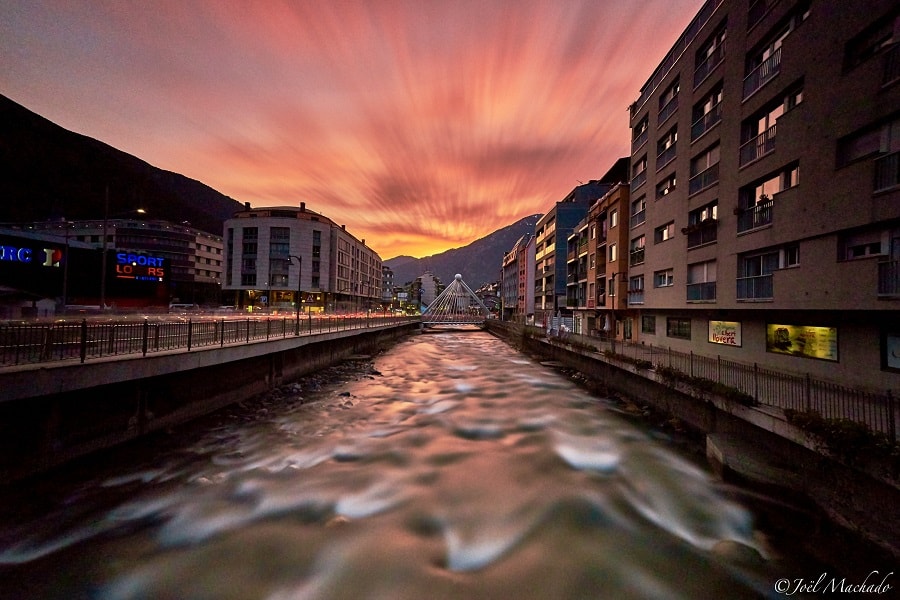 See here more about Joël Machado Gomes
The post
Valira river in the sunset, Andorra la Vella
first appeared on
All PYRENEES
.
See here more about Joël Machado Gomes
The post
Valira river in the sunset, Andorra la Vella
first appeared on
All PYRENEES
. |
 Researchers have developed an artificial intelligence tool that can design structures capable of controlling how light propagates at the nanometre scale.
The research was carried out by scientists from the University of
Oviedo
and the Centre for Research in Nanomaterials and Nanotechnology (CINN-CSIC), in collaboration with the
Aragon
Nanoscience and Materials Institute (INMA, CSIC-UNIZAR) and the Donostia International Physics Center (DIPC).
The study was published in Nature Materials on 28 August 2026. The research was announced by INMA on 31 August.
The new AI tool starts with a desired pattern of light propagation and proposes structures capable of producing it. These structures consist of thin layers of different materials with specific thicknesses, twist angles and operating frequencies.
This reverses the usual design process. Instead of starting with a structure and calculating how light will propagate through it, researchers can begin with the desired result and obtain several possible configurations.
The approach focuses on surface polaritons, hybrid waves of light and matter that propagate along a surface. Their wavelengths can be much shorter than those of light in free space, making them a form of nanolight.
The researchers used a deep neural network to design structures made from thin layers of materials such as α-MoO₃. The network proposed configurations capable of directing nanolight in two or three directions, a behaviour that had not previously been observed in these structures.
The team also demonstrated that the method could be extended to other materials and operating frequencies, from the visible spectrum to the terahertz range.
The researchers say the technology could contribute to the development of nanophotonic components, sensors and thermal management systems.The post
AI designs how light propagates at the nanoscale
first appeared on
All PYRENEES
.
Researchers have developed an artificial intelligence tool that can design structures capable of controlling how light propagates at the nanometre scale.
The research was carried out by scientists from the University of
Oviedo
and the Centre for Research in Nanomaterials and Nanotechnology (CINN-CSIC), in collaboration with the
Aragon
Nanoscience and Materials Institute (INMA, CSIC-UNIZAR) and the Donostia International Physics Center (DIPC).
The study was published in Nature Materials on 28 August 2026. The research was announced by INMA on 31 August.
The new AI tool starts with a desired pattern of light propagation and proposes structures capable of producing it. These structures consist of thin layers of different materials with specific thicknesses, twist angles and operating frequencies.
This reverses the usual design process. Instead of starting with a structure and calculating how light will propagate through it, researchers can begin with the desired result and obtain several possible configurations.
The approach focuses on surface polaritons, hybrid waves of light and matter that propagate along a surface. Their wavelengths can be much shorter than those of light in free space, making them a form of nanolight.
The researchers used a deep neural network to design structures made from thin layers of materials such as α-MoO₃. The network proposed configurations capable of directing nanolight in two or three directions, a behaviour that had not previously been observed in these structures.
The team also demonstrated that the method could be extended to other materials and operating frequencies, from the visible spectrum to the terahertz range.
The researchers say the technology could contribute to the development of nanophotonic components, sensors and thermal management systems.The post
AI designs how light propagates at the nanoscale
first appeared on
All PYRENEES
. |
 The city of
Montpellier
has opened an exhibition dedicated to Ni Tanjung, a self-taught Balinese artist whose work combines traditional Balinese culture with contemporary artistic expression.
The exhibition, presented in Montpellier from September 2, brings the work of Ni Tanjung to the public as part of a programme highlighting international contemporary art.
Born in Bali, Ni Tanjung developed her artistic practice independently. Her work is closely connected to Balinese cultural traditions while also reflecting a personal and contemporary approach to art.
The exhibition creates a dialogue between traditional Balinese artistic heritage and contemporary international art, offering visitors an opportunity to discover a lesser-known artistic tradition and its modern interpretations.
The presentation is part of Montpellier's cultural programme and contributes to the city's international approach to contemporary art.
The exhibition will remain open until December 31, 2026.The post
Montpellier presents an exhibition dedicated to Balinese self-taught artist Ni Tanjung
first appeared on
All PYRENEES
.
The city of
Montpellier
has opened an exhibition dedicated to Ni Tanjung, a self-taught Balinese artist whose work combines traditional Balinese culture with contemporary artistic expression.
The exhibition, presented in Montpellier from September 2, brings the work of Ni Tanjung to the public as part of a programme highlighting international contemporary art.
Born in Bali, Ni Tanjung developed her artistic practice independently. Her work is closely connected to Balinese cultural traditions while also reflecting a personal and contemporary approach to art.
The exhibition creates a dialogue between traditional Balinese artistic heritage and contemporary international art, offering visitors an opportunity to discover a lesser-known artistic tradition and its modern interpretations.
The presentation is part of Montpellier's cultural programme and contributes to the city's international approach to contemporary art.
The exhibition will remain open until December 31, 2026.The post
Montpellier presents an exhibition dedicated to Balinese self-taught artist Ni Tanjung
first appeared on
All PYRENEES
. |
 From September 2026, the BrevetAI programme developed by Université
Paris
-Saclay will be available beyond the university community, opening access to other French universities, companies and the general public.
The programme was developed by the DataIA Institute at Université Paris-Saclay to help participants better understand artificial intelligence and its growing role in society.
From September, BrevetAI will be offered through the French FUN MOOC platform. The programme will therefore become accessible to a wider audience across
France
.
The training is designed to provide participants with the key concepts needed to understand artificial intelligence, its applications and its limitations.
The initiative is aimed not only at students and researchers but also at professionals and members of the public who want to develop their knowledge of AI.
The expansion of BrevetAI comes as artificial intelligence becomes increasingly integrated into education, business, research and everyday life.
Université Paris-Saclay presents the programme as an initiative to support the development of a broader understanding of AI and help citizens navigate the technological changes associated with its rapid development.The post
Université Paris-Saclay expands AI training programme to universities, companies and the public
first appeared on
All PYRENEES
.
From September 2026, the BrevetAI programme developed by Université
Paris
-Saclay will be available beyond the university community, opening access to other French universities, companies and the general public.
The programme was developed by the DataIA Institute at Université Paris-Saclay to help participants better understand artificial intelligence and its growing role in society.
From September, BrevetAI will be offered through the French FUN MOOC platform. The programme will therefore become accessible to a wider audience across
France
.
The training is designed to provide participants with the key concepts needed to understand artificial intelligence, its applications and its limitations.
The initiative is aimed not only at students and researchers but also at professionals and members of the public who want to develop their knowledge of AI.
The expansion of BrevetAI comes as artificial intelligence becomes increasingly integrated into education, business, research and everyday life.
Université Paris-Saclay presents the programme as an initiative to support the development of a broader understanding of AI and help citizens navigate the technological changes associated with its rapid development.The post
Université Paris-Saclay expands AI training programme to universities, companies and the public
first appeared on
All PYRENEES
. |
|
Schiebel Camcopter S-100 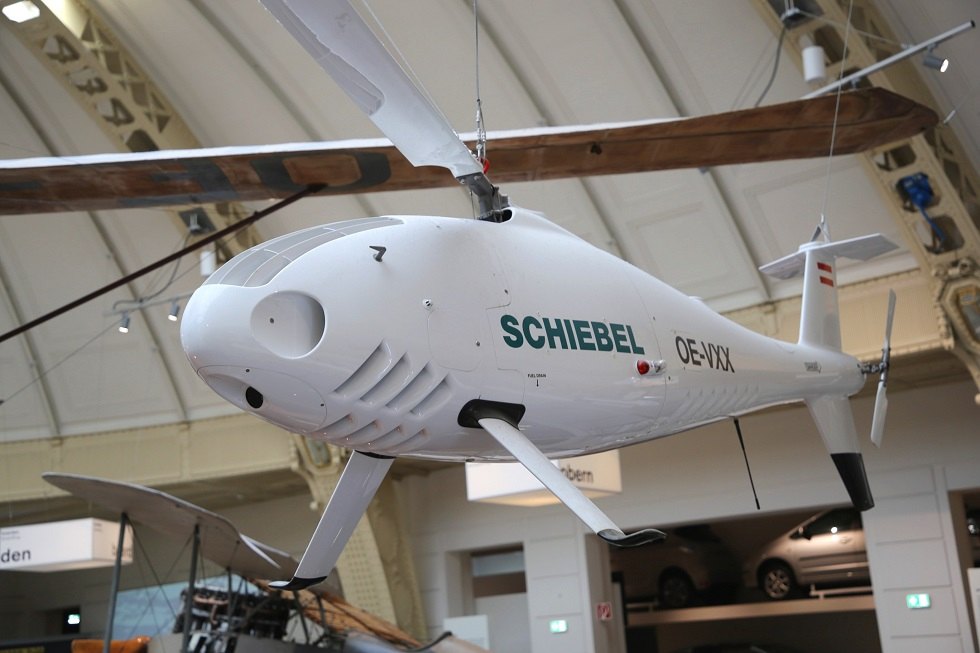
Schiebel Camcopter S-100 (OE-VXX) at Technisches Museum in Vienna 
CharacteristicsManufacturer: Schiebel Corporation Country of origin: Austria Years of production: 2005- Length: 3110 mm (10 ft 2 in) Width: 1240 mm (4 ft 1 in) Height: 1120 mm (3 ft 8 in) Powerplant: 1Ã- Schiebel S1 Wankel engine (55 HP) Maximum speed: 220 km/h (140 mph, 120 kn) Range: 180 km (110 mi, 97 nmi) Service ceiling: 5500 m (18,000 ft) Empty weight : 110 kg (243 lb) Armament : 2 Ã- Lightweight Multirole Missile See also Transport blog See also Cars blog See also Motorcycles blog See also Buses blog See also Shipbuilding blog See also Motors and Engines blog See also Trains and railways blog See also Trucks and Cargo Vehicles blog See also Tractors and Special Equipment blog See also Tanks and Armored Vehicles See also Airplanes blog See also Helicopters blog See also Artillery, Missiles and Rockets blog See also Bicycles blog The post Schiebel Camcopter S-100: Austrian unmanned aerial vehicle first appeared on All PYRENEES . |
|
Tata Nano 
Purple Tata Nano at Technisches Museum in Vienna Tata Nano CNG emax (Bi-fuel)The Nano CNG emax was launched in October 2013. It could run on either gasoline or compressed natural gas. Initially, it was to be sold in Delhi and parts of Maharashtra and Lucknow, where CNG was available at fuel outlets. The bifuel engine was powered by both CNG and petrol. In natural gas operation, the engine delivered maximum power of 33 HP and 45 Nm of maximum torque.Tata Super NanoIn December 2014, Coimbatore-based JA Motorsport presented a 230 HP 1.3-liter engined version of the Nano called the ‘Super Nano’ at the Autocar Performance Show. Featuring a full body kit, slick tyres, a bolt-on roll cage, and smoked head and tail lamps, the Super Nano featured carbon fibre components, Recaro seats, and steering-mounted paddle shifters.Tata GenX Nano (2015-2018)In May 2015, to revive the model’s sales, Tata Motors introduced a series of enhancements both inside and outside the car. The name was changed to GenX Nano to underline the changes, the range was offered in 21 different versions, among them a 5-speed automated manual transmission. Electric power steering, air conditioning, and Bluetooth radio were available on top models in addition to new colors and alloy wheels. The body was strengthened and the front and rear bumpers were changed, which slightly increased the length to 3,164 mm. The interior was also redesigned with new fabrics and improved soundproofing. The rear hatchback and 5-seat homologation were introduced.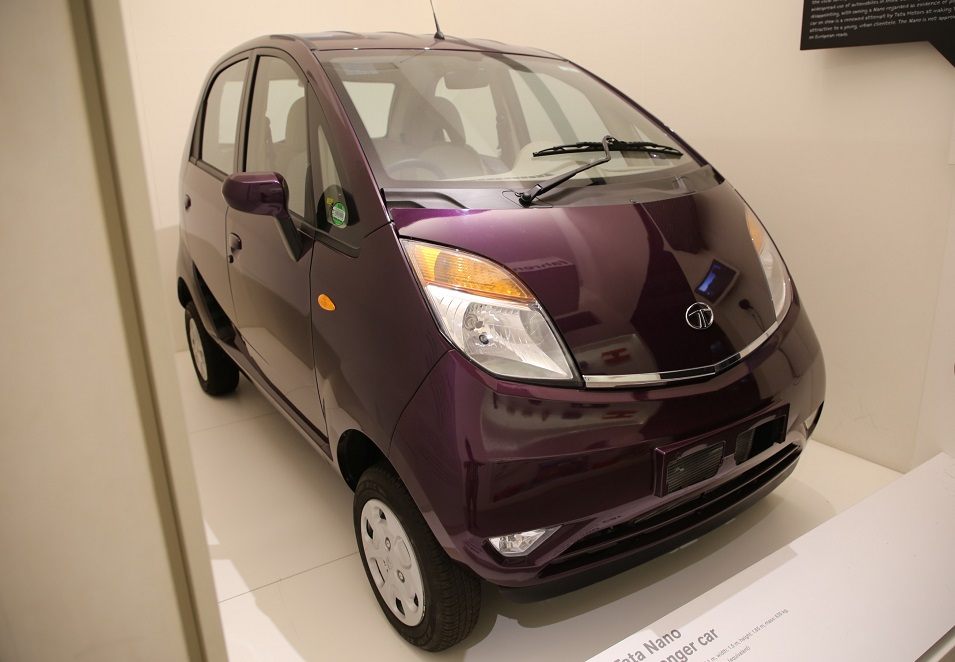
CharacteristicsManufacturer: Tata Motors Commercial Vehicles Assembly: Sanand (India) Years of production: 2008-2018 Length : 3099 mm Width: 1390 mm Height: 1652 mm Engine: 2 cylinders; 624 cc Power: 36 HP Max speed: 105 km/h Fuel consumption: 4 l/100 km Weight: 635 kg See also Transport blog See also Cars blog See also Motorcycles blog See also Buses blog See also Shipbuilding blog See also Motors and Engines blog See also Trains and railways blog See also Trucks and Cargo Vehicles blog See also Tractors and Special Equipment blog See also Tanks and Armored Vehicles See also Airplanes blog See also Helicopters blog See also Artillery, Missiles and Rockets blog See also Bicycles blog The post Tata Nano first appeared on All PYRENEES . |
|
Scania Siemens eHighway  eHighway is an electrified road technology developed by Siemens Mobility and Scania. It operates on a principle similar to a city trolleybus: an overhead power line is suspended over the right-hand lane of the road, and hybrid trucks connect to it via a pantograph while moving, reaching speeds of up to 90 km/h. Electric power is supplied via 670 V DC. Once connected, the truck runs entirely on electric power. This allows for emissions-free travel for several kilometers, after which it can switch to diesel or gas. The pantograph automatically lowers when the truck exits the electrified lane or to overtake.
History of the projectIn 2016, Sweden launched the first pilot section of the system on the E16 highway near Gävle. The section was 2 km long, and the investment was approximately $9 million. In 2019, Germany began testing on the A5 autobahn near Frankfurt. Approximately 10 km of overhead wires were installed there. The German project planned three test sections: on the A1 near Lübeck, the A5 near Frankfurt, and the B462 in Baden-Württemberg. In Italy, testing took place on the A35 toll motorway between Brescia, Bergamo, and Milan. The test section was 6 km long. The developers planned to power the road entirely from solar panels. In 2021, the UK launched a nine-month study on the feasibility of implementing the system on national highways by the 2030s. The project was funded by a £20 million fund. A separate pilot project was also implemented in California between the ports of Los Angeles and Long Beach. oading="lazy" decoding="async" class="aligncenter size-full wp-image-428824" src="https://all-andorra.com/wp-content/uploads/2026/09/Scania-eHighway---система-электрифицированных-дорог-от-Siemens-и-Scania_innovations.jpg" alt="" width="1000" height="564" srcset="https://all-andorra.com/wp-content/uploads/2026/09/Scania-eHighway---система-электрифицированных-дорог-от-Siemens-и-Scania_innovations.jpg 1000w, https://all-andorra.com/wp-content/uploads/2026/09/Scania-eHighway---система-электрифицированных-дорог-от-Siemens-и-Scania_innovations-300x169.jpg 300w, https://all-andorra.com/wp-content/uploads/2026/09/Scania-eHighway---система-электрифицированных-дорог-от-Siemens-и-Scania_innovations-768x433.jpg 768w, https://all-andorra.com/wp-content/uploads/2026/09/Scania-eHighway---система-электрифицированных-дорог-от-Siemens-и-Scania_innovations-800x451.jpg 800w, https://all-andorra.com/wp-content/uploads/2026/09/Scania-eHighway---система-электрифицированных-дорог-от-Siemens-и-Scania_innovations-600x338.jpg 600w" sizes="auto, (max-width: 1000px) 100vw, 1000px" />Pros
Cons
|
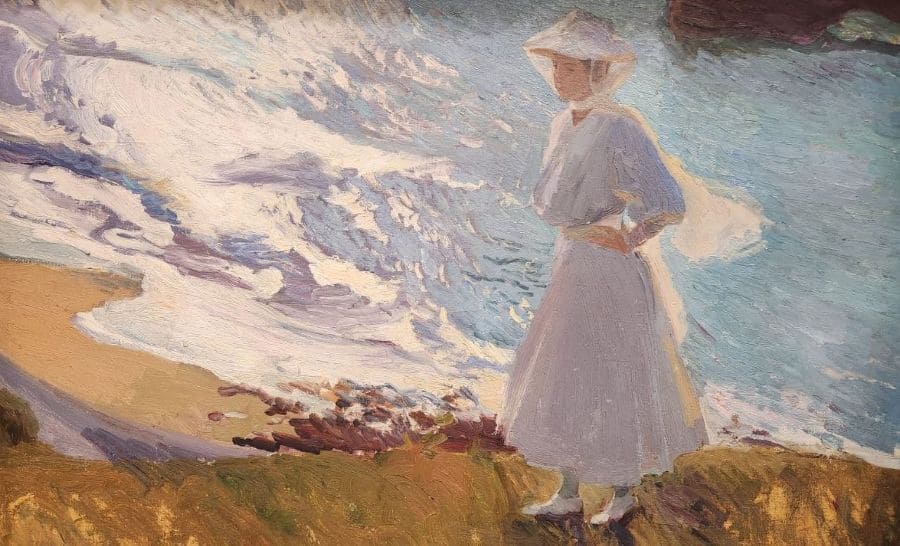
María en la playa de Biarritz o Contraluz, Biarritz, 1906. 
Bailaora flamenca, 1914
Housed in the emblematic Hôtel d'Assézat in the heart of Toulouse, the exhibition is the result of a partnership with the Spanish Ministry of Culture, the Sorolla Museum Foundation and the Sorolla Museum.
It brings together a selection of Joaquín Sorolla's most representative works. Known as "the painter of light", Sorolla is presented through a journey tracing his artistic evolution across three major themes: seascapes, portraits and gardens.
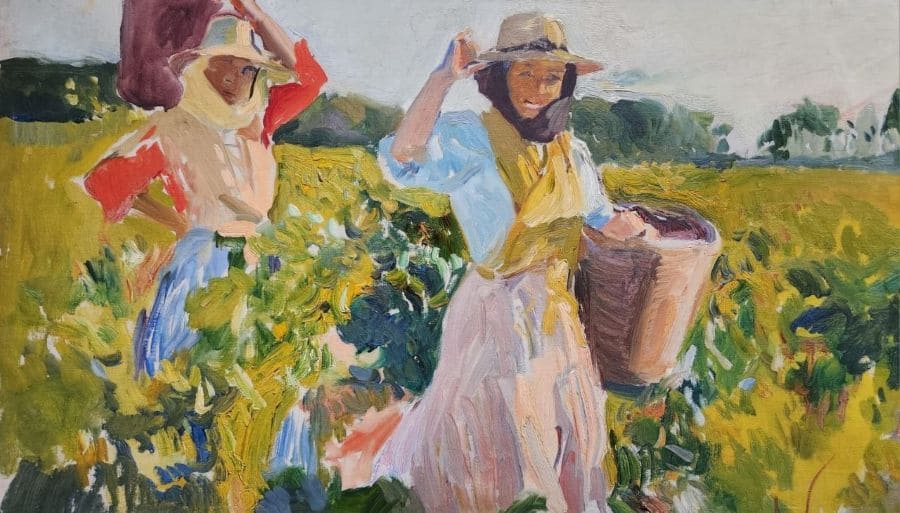
Vendimiando, Jerez, 1914 
Madre, 1895-1900 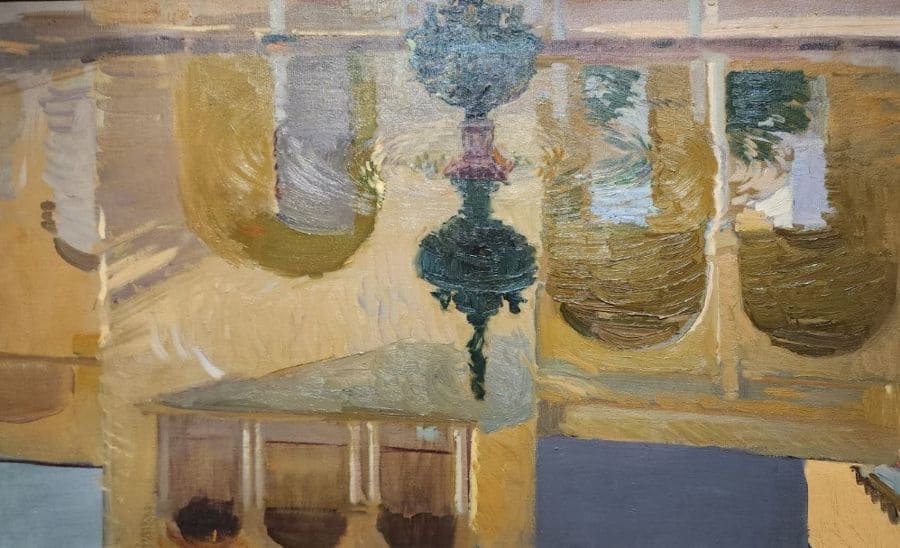
Reflejos en una fuente, 1908 |
 Beach scenes occupy a central place in Sorolla's work. Valencia,
 Distributed by aarss.com.